Table of contents
Asian cuisine offers an impressive diversity of flavors, textures, and cultural experiences, making it a popular choice for any event. Whether planning an intimate gathering or a grand celebration, selecting the right dishes can enhance the overall atmosphere and leave a lasting impression on your guests. Discover valuable insights on how to choose the perfect Asian cuisine for your next event by exploring the following expert tips and considerations.
Understand guest preferences
Crafting an Asian event menu that delights every attendee starts with a thorough understanding of guest preferences and their dietary restrictions. Culinary profiling, a method used by expert event planners, involves collecting information on food allergies, vegetarian or vegan needs, and spice level tolerances before finalizing the menu. Reaching out with RSVP cards, digital surveys, or direct communication can be effective in identifying individuals who require gluten-free dishes, avoid shellfish, or have low-spice tolerances. Integrating these insights ensures that the Asian event menu not only accommodates food allergies but also makes each guest feel considered and valued. Analyzing such guest preferences during the planning stage allows for a curated dining experience and helps avoid last-minute complications or discomfort at the event.
Match cuisine to event style
Aligning cuisine style with the event theme is a key element of successful menu planning. A professional event stylist emphasizes that the harmony between Asian food options and the overall party atmosphere significantly enhances guest experience. For casual gatherings or festive outdoor parties, vibrant street food selections—like Thai satay skewers, Vietnamese banh mi, or Japanese takoyaki—create a lively, interactive setting that invites guests to mingle. At formal events, such as corporate functions or weddings, a refined banquet featuring elegant dim sum, sushi platters, or multi-course Chinese dinners reinforces a sophisticated and cohesive mood. Understanding how cuisine style complements the event theme ensures that every detail, from the first bite to the last impression, supports the intended ambiance.
Menu planning also benefits from considering both traditional and fusion Asian food options tailored to the party atmosphere. For example, a modern event with an eclectic vibe might feature fusion dishes blending Korean and Mexican culinary influences, appealing to adventurous palates. In a more classic setting, sticking to authentic regional specialties can evoke nostalgia and cultural appreciation. The expertise of an event stylist is invaluable in weighing factors like guest preferences, venue logistics, and the flow of service, resulting in a seamless culinary narrative that enriches the entire event experience.
Balance traditional and modern dishes
Creating a memorable menu for event catering means embracing both traditional Asian dishes and the innovative energy of modern Asian cuisine. According to an acclaimed chef specializing in Asian gastronomy, menu hybridization is the thoughtful blending of classic recipes with current food trends to intrigue guests and honor heritage. For instance, serving time-honored dishes like dim sum or pad thai alongside inventive creations such as sushi tacos or Korean barbecue sliders delivers a dining experience that excites adventurous eaters while comforting those who prefer familiar flavors.
The process involves carefully selecting traditional Asian dishes that best represent the culinary roots of the region and pairing them with modern Asian cuisine characterized by global influences and creative presentations. This strategy ensures that every guest finds something appealing, whether it's a nostalgic favorite or an exciting new flavor profile. Event catering professionals often recommend working with chefs who are well-versed in both classic recipes and contemporary techniques to achieve this harmonious balance and keep the menu fresh and relevant.
An excellent example of this approach can be found in establishments that push the boundaries of Asian gastronomy, seamlessly integrating heritage and innovation. The thai restaurant in Bangkok stands out by offering both traditional favorites and inventive dishes, reflecting the evolution of Asian cuisine. Drawing inspiration from such venues can help craft a menu that is unique, engaging, and perfectly suited for any special occasion.
Consider regional specialties
When curating a menu with regional Asian cuisine, recognizing the continent's vast culinary landscape is vital for offering specialty dishes that highlight authentic Asian flavors. Asia spans a diverse range of countries and provinces, each with distinctive tastes, techniques, and ingredients. Incorporating regional diversity involves researching signature recipes—such as Thai green curry, Japanese sushi, Korean bulgogi, or Szechuan hot pot—to ensure menu variety and honor cultural diversity. Consulting a cultural cuisine consultant can provide insight into gastronomic mapping, a process where the menu is strategically designed to represent different regions and their culinary traditions. This approach enables guests to experience a journey through Asia’s flavorful heritage, making the event both memorable and inclusive of the continent’s broad spectrum of tastes.
Plan for presentation and service
When selecting Asian catering for your event, the chosen service style can shape both the atmosphere and the overall dining experience. Buffet options allow guests to sample a variety of dishes at their own pace, making them ideal for larger gatherings or events seeking a social, interactive environment. On the other hand, plated service brings sophistication and structure, perfect for formal occasions where each course’s timing and food presentation are prioritized. Family-style service, another popular choice in Asian cuisine, encourages sharing and conversation, reflecting traditional dining customs. According to an award-winning caterer, the method of serving should align with the event’s objectives and the desired guest experience, as the service style directly influences how guests interact with both the food and each other.
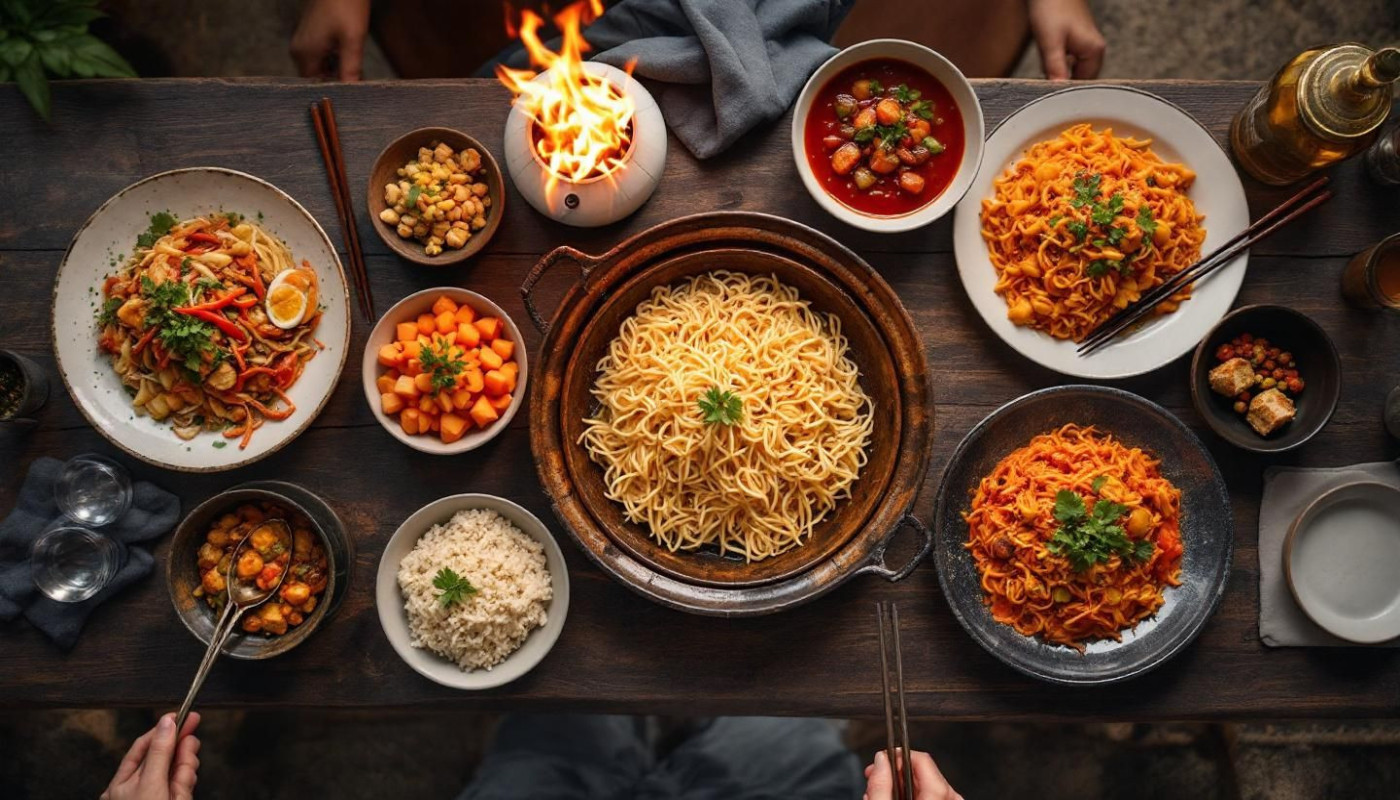
Visual appeal is a hallmark of Asian food, with vibrant colors, delicate garnishes, and thoughtful arrangements enhancing both appetite and ambiance. Mastery of food presentation not only elevates the perceived value of each dish but can also make a lasting impression on attendees. Tablescaping, which refers to the artful arrangement of the dining table—encompassing everything from dish placement to decorative elements—plays a pivotal role in Asian catering. Through well-executed tablescaping, the dining area is transformed into a visually engaging setting that highlights the rich diversity of Asian flavors and ingredients. By carefully considering buffet options, service style, and the impact of visual appeal, hosts can ensure that their chosen Asian cuisine delivers a memorable culinary journey for every guest.
On the same subject
Exploring Authentic Italian Flavors In A Casual Dining Setting
